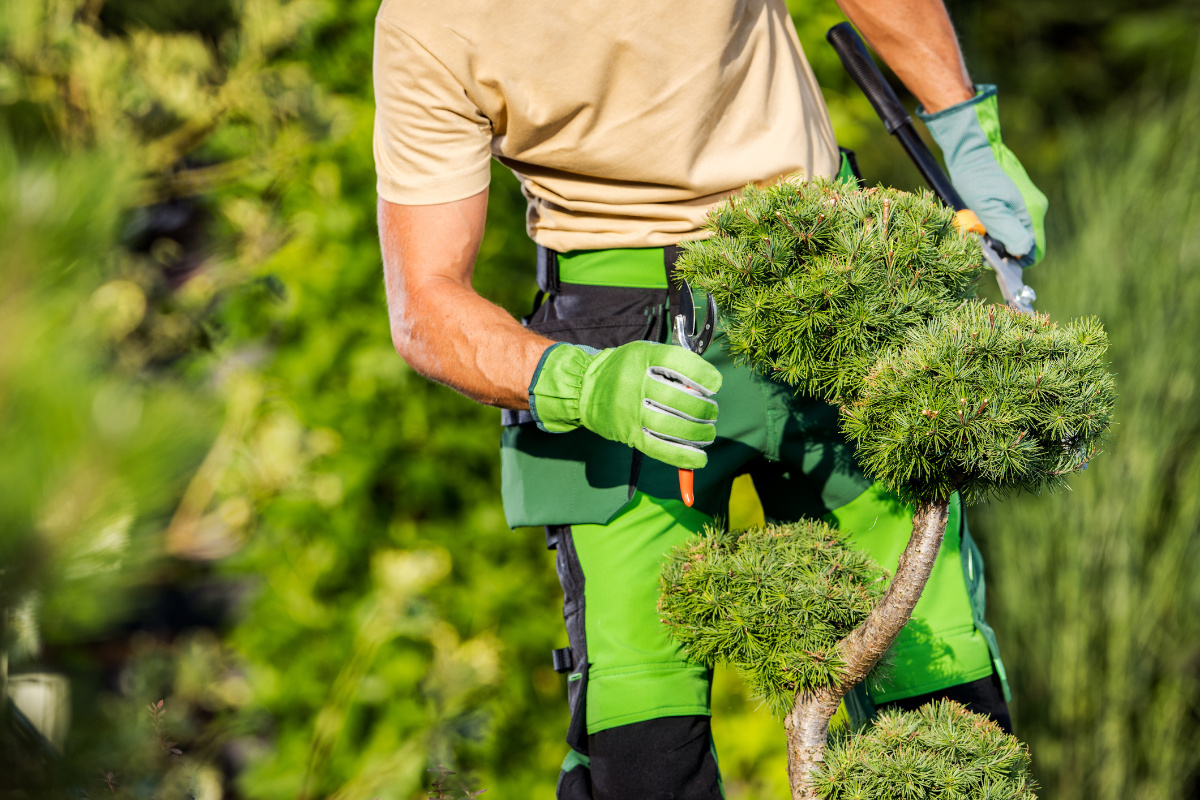
A low-maintenance garden is not a garden without character. It is a place where the right plants carry their own weight without constant coaxing, where irrigation runs light and pruning happens when you feel like it, not because the yard is threatening to swallow the driveway. Over the years I have designed and maintained landscapes for clients who wanted beauty without a weekly chore list. The secret is not a single plant or trick, but a set of choices that align climate, soil, and space with plant habits. Get those relationships right and the garden looks cared for even when your calendar is not.
This guide focuses on dependable plants, but I will weave in placement, soil prep, and practical maintenance practices drawn from the kinds of jobs a landscaping company does every day. Whether you are hiring a landscaping service for a full refresh or tuning your existing beds with a few new anchors, the goal is a landscape that rewards restraint.
What “low maintenance” really means
Plants reduce work when they are in the right place and given a modest head start. That means matching sun exposure and soil texture, accounting for mature size, and respecting water needs. If you want a lawn that takes less attention, turf selection matters just as much as irrigation scheduling. If you want garden landscaping that stays tidy, choose shrubs that keep a clean silhouette without constant shearing. A landscape design services team might call this “right plant, right place,” but it is more than a slogan. It is a checklist you can actually follow.
In most regions, the plants that ask the least will share traits: drought tolerance once established, resistance to common pests, and the ability to hold their shape without aggressive pruning. Many of the best candidates are native or regionally adapted varieties. They partner well with efficient lawn care and landscape maintenance services, because they respond predictably to seasonal tasks like a light spring feed, a single hard prune every few years, or a once-a-month deep watering cycle during dry spells.
Ground rules that make any plant easier
Before we get into specific plants, some ground rules pay back for years. They are simple enough to implement yourself or hand off to a landscaping company during installation.
- Water deeply, not often, during establishment, then taper. A two-hour soak once a week for the first season pushes roots down. Shallow daily sprinkles train roots to hover at the surface and beg for attention later. Mulch to the drip line. A 2 to 3 inch layer of shredded hardwood, pine straw, or gravel mulch holds soil moisture, suppresses weeds, and buffers temperature swings. Keep it a hand’s width away from trunks and crowns.
These two habits eliminate most early failures. They also set the stage for the plants below to show their best without constant oversight.
Shrubs that look good without asking for constant pruning
If a shrub wants to be 8 feet wide and you planted it 3 feet from a path, you did not choose a high-maintenance plant, you chose a problem. Size matters more than any other trait. Once you respect mature spread, these shrubs carry a border or foundation bed with minimal trimming.
Boxwood alternatives that stay tidy without shears: Dwarf yaupon holly (Ilex vomitoria ‘Nana’) in the Southeast, inkberry holly (Ilex glabra ‘Shamrock’) in the Mid-Atlantic and Northeast, and Japanese holly (Ilex crenata ‘Helleri’) in cooler zones. All form dense mounds, tolerate shearing if you want a formal line, but do not require it. I’ve had ‘Nana’ go three years between touch-ups and still read neat from the street.
Coastal or windy sites do well with wax myrtle (Morella cerifera) in clump form. It accepts poor sandy soils and salt spray. Left alone, it makes a soft screen with a natural outline. A quick thinning every other winter keeps it airy.
Mediterranean-climate gardens shine with lavender cotton (Santolina chamaecyparissus). It gives a silver cushion and yellow button flowers, thrives on neglect, and wants dry feet. Plant it in a gravelly bed or along a hot walkway, trim once a year after bloom, and it stays compact.
For four-season structure with a small footprint, dwarf conifers earn their keep. Juniperus conferta ‘Blue Pacific’ hugs the ground and suppresses weeds on slopes. Pinus mugo cultivars like ‘Mops’ create slow-growing mounds that ask for no more than a light candle pinch in late spring if you want absolute control.
In shade or part shade, skip the hydrangea unless you accept regular deadheading and watering. Instead, look at Oregon grape (Mahonia aquifolium or M. ‘Soft Caress’). It tolerates dry shade once established, offers winter bloom and berries, and keeps its form. For a lower hedge, Japanese pieris (Pieris japonica) brings new growth color and thrives in acidic woodland soils with minimal shaping.
Perennials that behave, return, and fill space
Perennials can be either a gift or a chore. Some spread aggressively, others sulk. The following return reliably, do not need staking, and give you long windows of interest.
Salvia nemorosa cultivars like ‘Caradonna’ or ‘May Night’ power through heat and bloom generously. Cut back after the first flush to encourage a second one, then leave the seed heads for winter texture. In full sun with decent drainage, they are close to set-and-forget.
Catmint (Nepeta ‘Walker’s Low’ or ‘Cat’s Pajamas’) is one of the longest-blooming perennials in my toolkit. It handles drought, confuses deer, and provides a rolling haze of blue from late spring into summer. A midseason shear with hedge shears keeps it compact. If you dislike bees near a seating area, place it a few steps away, because pollinators love it.
Hellebores (Helleborus orientalis hybrids) pull their weight in shade. They flower late winter through early spring, shrug off dry conditions once rooted, and hold glossy foliage most of the year. Clean up ratty leaves in late winter, then enjoy the rest.
Heuchera cultivars are often sold for color, but not all are durable. Look for varieties with proven vigor like ‘Caramel’ or ‘Obsidian’. They prefer morning sun, afternoon shade, and consistent but not soggy moisture. They are excellent for threading color through a bed without resorting to annuals.
For tough-as-nails ground cover that knits under shrubs, liriope (Liriope muscari) and mondo grass (Ophiopogon japonicus) take the hits. In colder zones, mow liriope once in late winter to remove old foliage. Avoid overwatering; both rot if constantly wet.
If you want height with minimal staking, ornamental grasses lead the list. Calamagrostis x acutiflora ‘Karl Foerster’ stands like a column and flowers early. Pennisetum alopecuroides ‘Hameln’ is tidy and compact. Leave grasses standing over winter for movement, then cut to 6 inches before spring growth. They dislike heavy, soggy clay; amend or mound if that is your soil.
Drought-tolerant stars for hot sites
There is a difference between surviving heat and looking good through it. The plants below keep their composure in hot beds, along driveways, and in reflected light.
Rosemary, both upright and trailing forms, gives fragrance, blooms for pollinators, and handles poor soils. Legitimate low maintenance comes from letting it be a shrub, not forcing it into a tight hedge. Plant it with breathing room, prune lightly after bloom to keep new growth coming, and avoid overwatering.
Texas sage (Leucophyllum frutescens) thrives in arid conditions and throws purple flowers when humidity rises. It hates rich soil and constant irrigation. I see it fail most often in lawns with overspray. Keep it in its own dry bed with gravel mulch.
Russian sage (Perovskia atriplicifolia and improved cultivar ‘Blue Jean Baby’) brings silvery stems and lavender-blue flowers through high summer. It wants full sun, wind, and drainage. Resist the impulse to stake; cut it back to a low framework in early spring and let it billow.
Yarrow (Achillea millefolium) is a spreader, but the right cultivar and location make it an asset. ‘Moonshine’ holds a compact form and sulfur-yellow bloom. It deals with drought, poor soil, and heavy sun. Avoid the richest bed or it flops.
Agastache (hyssop) delivers hummingbird traffic and licorice-scented foliage. In my experience, the orange and pink hybrids like ‘Apricot Sunrise’ ask a bit more, while the blues and purples like ‘Blue Fortune’ are steadier. They prefer lean soil and good drainage, with winter wet being the main enemy.
Evergreen anchors that carry winter
When the rest of the garden rests, evergreen structure keeps the scene intact. Not every evergreen demands constant pruning. Choose naturally compact forms that hold a consistent outline.
Viburnum tinus in mild climates offers subtle winter bloom and metallic berries, holds a neat oval shape, and tolerates dry shade once established. It will not love a zone 6 winter, so keep it to zones 7 to 10.
Nandina domestica, especially dwarf types like ‘Firepower’ and ‘Gulf Stream’, provides burgundy winter color without fuss. Use the sterile cultivars where berries are an invasive concern, and place them where their fine texture balances bolder leaves nearby.
Euonymus japonicus ‘Green Spire’ forms vertical accents that frame entries without topiary work. It is not deer-proof, so fence or use repellents where browsing is heavy. In salt-prone coastal towns, it handles spray better than many broadleaf evergreens.
Dwarf loropetalum varieties, like ‘Purple Pixie’ groundcover or ‘Crimson Fire’ mounds, hold deep foliage color and light spring bloom. They prefer acidic soil and sun to part shade. Overwatering makes them leggy, so keep irrigation moderate after establishment.
Tough natives that behave in real yards
Native plants deserve a place in low-maintenance landscaping, not because they are inherently “easier,” but because the right ones align with local climate and wildlife. A few that consistently perform without coddling:
Coneflower (Echinacea purpurea and hybrids) tolerates heat and drought, returns reliably, and feeds birds with seed heads. Some heavily bred forms can be short-lived; stick with sturdy cultivars like ‘Magnus’ or ‘PowWow Wild Berry’ if you want staying power.
Switchgrass (Panicum virgatum ‘Northwind’ or ‘Heavy Metal’) stands upright in summer, amber in fall, and provides winter structure. It tolerates clay better than many ornamental grasses and handles both rain gardens and dry slopes.
Black-eyed Susan (Rudbeckia fulgida ‘Goldsturm’) is an old standby for good reason. It colonizes politely, flowers for weeks, and shrugs off humidity. Deadhead if you want a tidier look, or let seed for birds and natural spread.
Serviceberry (Amelanchier) in small tree or multi-stem form gives four seasons of interest with low fuss: spring bloom, early summer fruit, clean summer foliage, and red fall color. It accepts a range of soils and needs only minimal pruning.
Blanketflower (Gaillardia) earns a place in hot, lean sites with long flowering and almost no irrigation once set. It can be short-lived; allow a few seedlings to replace older plants and the display continues without replanting.
Smart ground covers and living mulch
Open soil invites weeds. The right ground cover reduces weeding time and evens out soil moisture. Choose based on sun, foot traffic, and water availability.
For sun and moderate foot traffic, creeping thyme (Thymus serpyllum) forms a fragrant mat. It thrives in lean, well-drained soils, drapes softly over pavers, and needs only an annual shear if it grows into edges. It bronzes in cold, then greens up quickly.
In partial shade, sweet woodruff (Galium odoratum) spreads into a soft carpet under trees, weaving around roots and suppressing spring weeds. It appreciates moisture in establishment, then coasts.
For deep shade and difficult roots, pachysandra terminalis remains effective, though it can spread aggressively. Where disease is a concern, use the native alternative Allegheny spurge (Pachysandra procumbens), which is slower but healthier.
On slopes or poor soils, crown vetch and English ivy are often suggested, but both can become invasive. Favor native choices like creeping phlox (Phlox subulata) on sunny banks or bearberry (Arctostaphylos uva-ursi) in sandy sites. These hold soil and ask little beyond their first season.
Trees that behave near houses and patios
A low-maintenance garden becomes high-maintenance when a poorly chosen tree cracks pavement, drops messy fruit, or grows into utility lines. Choose moderate size, clean habit, and strong structure.
Japanese maple cultivars like Acer palmatum ‘Sango Kaku’ or ‘Shishigashira’ provide seasonal drama in a small footprint. They want afternoon shade in hot climates, consistent moisture during establishment, and protection from wind. After that, they need little more than the occasional deadwood cut.
Crape myrtle (Lagerstroemia) is reliable in warm zones with months of color and attractive bark. The key to low maintenance is choosing the right size. ‘Natchez’ can hit 25 feet, while ‘Pocomoke’ stays under 5 feet. Plant the right cultivar and skip the disfiguring practice of topping. A yearly inspection and a few selective cuts keep structure clean.
Amur maple (Acer ginnala) and serviceberry mentioned above fill the small-tree niche in colder zones, both with manageable roots and minimal litter. For evergreen presence without outgrowing suburban lots, consider eastern red cedar cultivars like Juniperus virginiana ‘Taylor’, a narrow column that anchors without spreading.
If you want shade without raking a sea of large leaves, lacebark elm (Ulmus parvifolia) offers small leaves that disappear into turf, plus mottled bark for winter interest. Choose a named cultivar with good branching and avoid wet soils.
Lawns that don’t own your weekend
A low-maintenance yard can include lawn if you right-size it and select a turf that fits your climate and irrigation tolerance. Too often, lawn care turns into weekly watering and constant fertilization to prop up the wrong grass.
In cool-season regions, tall fescue blends with improved varieties create deep roots and survive summer on less water than Kentucky bluegrass. Overseed in early fall, mow at 3 to 4 inches, and water deeply but infrequently. For shaded lawns, fine fescue mixes handle low light and minimal inputs.
In warm-season regions, zoysia and bermuda offer drought tolerance, but zoysia wins for lower mowing frequency and fewer edges invaded. It fills in slowly, so sod or plugs are best. St. Augustine handles shade better than most warm-season grasses, but needs careful water management to avoid disease.
If you are tired of lawn entirely, a ground cover lawn with kurapia (where available), clover blends, or no-mow fescue can cut mowing to a few times a year. These look different than a traditional lawn, so consider the aesthetic before switching. A landscaping service can install test patches to see what fits your eye.
Irrigation, mulch, and soil: the quiet partners
Plants get the headlines, but low maintenance comes from the supporting systems. An efficient drip system reduces weeds, disease, and water waste. In beds, drip tubing under mulch delivers water right to the root zone. For trees and large shrubs, a pair of emitters at the drip line on a dedicated deep-watering zone eliminates the shallow rooting caused by frequent lawn cycles.
Soil prep happens once, then pays back for decades. In clay, add compost and coarse material to improve structure, or mound beds 6 to 10 inches above grade so roots live in better conditions. In sand, incorporate organic matter to hold moisture, then top with mulch. Aim for at least 6 inches of improved soil where perennials and shrubs will live. If your budget is limited, improve fewer areas more deeply rather than skimming a little across the whole yard.
Mulch choice should match plant needs. Woody plants prefer shredded hardwood or pine bark. Mediterranean and desert plants often excel with mineral mulches like gravel that keep crowns dry. When clients complain about “mulch washing away,” the fix is usually edging and contour, not more mulch. A gentle inward slope and a defined edge keep material in place.
Designing for fewer chores
Beyond plant lists and irrigation, arrangement dictates workload. Tucking thirsty plants next to drought lovers forces you to choose who suffers. Group by water needs. Put the most irrigated plants nearest the hose bib or emitter-heavy zones. Keep high-touch plants like roses or edibles close to paths so maintenance takes minutes, not an afternoon.
Leave breathing room. If a shrub grows 5 feet wide, give it a 6 foot circle so air and light reach the center. Crowding invites mildew and pruning. In curves and corners, choose plants that naturally conform rather than fighting them with shears.
Think layers that function. Tall evergreen structure at the back, mid-height perennials and shrubs in the middle, ground cover at the feet to smother weeds. This simple stack makes beds read full without constant infill.
Lighting is a maintenance topic too. Low-voltage LED fixtures on timers, positioned out of mower paths, avoid broken stakes and burned-out bulbs. In my maintenance routes, broken fixtures and chewed wires chew up more time than pruning ever does.
Regional notes and edge cases
No plant is universally low maintenance. A few regional realities to check before you buy:
- Deer pressure transforms a plant from easy to impossible. Where browsing is heavy, lean on textured, aromatic, or prickly foliage, and budget for deterrents. Catmint, rosemary, boxwood alternatives, and many grasses hold up better than hostas or daylilies. Humidity changes disease pressure. In the Southeast, powdery mildew and leaf spot can make a clean plant look tired by August. Favor air movement and disease-resistant cultivars. In arid regions, the same plant may look pristine with half the care. Freeze-thaw cycles test roots in containers and raised beds. Choose hardy ratings one zone colder for pots and plan to refresh container soil every two years. Water quality matters. High-salt irrigation, common in some coastal wells, eliminates certain plants from contention. Test water if you see edge burn despite correct watering. HOA and municipal rules may limit alternatives to turf. If you are replacing lawn, check guidelines before you plant out a meadow or install gravel mulch surfaces.
A practical plant palette for mixed climates
The following palette blends sun and shade performers into a typical suburban yard. It assumes full sun front beds with reflected heat, part shade sides, and a morning sun back garden. Adjust for your conditions.
Front south bed: dwarf yaupon holly anchors, framed by Russian sage and catmint for summer bloom, with ‘Karl Foerster’ grass punctuating corners. Creeping thyme softens the curb edge. Gravel mulch near sage and thyme, shredded bark near hollies.
Shady side https://devinizjo959.image-perth.org/seasonal-landscape-maintenance-services-checklist yard: hellebores and heuchera along the foundation under a serviceberry canopy, with Oregon grape as evergreen structure. Mulch with shredded hardwood, drip line along the base, and a single soaker for the tree.
Back patio border: dwarf loropetalum for foliage color, interplanted with salvia and agastache for pollinators. A ‘Taylor’ juniper marks the far corner as a vertical accent. Liriope stitches the bed edge against the lawn, reducing edging chores.
Small lawn: tall fescue or zoysia depending on region, sized to a single, usable rectangle rather than scattered patches. Drip in beds on a separate controller from rotors in turf, so each can be watered on its own schedule.
With this arrangement, seasonal work boils down to a spring cutback for grasses and perennials, a once-over prune for stray shoots on shrubs, a light mulch top-up, and irrigation checks. Midseason, a single shear on catmint carries color forward. Fall adds leaf cleanup and a quick health check on evergreens. The rest is enjoyment.
When to call in help
Even with a low-maintenance plan, a professional touch can save you from expensive mistakes. A landscape design services consultation at the start can calibrate plant spacing and irrigation zones. If your property has grade changes, drainage issues, or mature trees, a landscaping company can adjust contour, fix compacted soil, and protect roots during installation.
For ongoing care, landscape maintenance services that visit monthly in the growing season can keep pruning light and timely, catch pests before they spread, and adjust controllers as weather shifts. Many homeowners handle lawn care themselves while outsourcing pruning and seasonal cleanups. The split keeps costs in check and results consistent.
Quick checks before you buy plants
- Confirm mature size and give it 10 to 20 percent extra room. Plant tags err on the optimistic side. Match water use groups. Dry plants together, regular-water plants together, and keep their zones separate. Inspect root balls. Avoid circling roots in containers; choose plants that fill the pot but can be teased apart. Favor named cultivars with documented performance in your region rather than unproven novelties. Buy fewer, larger anchors instead of many small fillers. Three well-placed shrubs do more than a dozen mismatched perennials.
These checks reflect lessons from jobs where a small decision at the nursery saved years of frustration later.
The long view
Low-maintenance landscaping is not a trend, it is a habit. The plants above earn their reputation because they meet you halfway: they adapt, they cover ground, they hold shape, and they forgive a missed watering. Your role is to give them a fair start, group them sensibly, and resist the urge to overmanage. When you do, the garden settles into a rhythm. Birds work the seed heads. Grasses move in the evening breeze. You walk past with a cup of coffee and think, that bed looks good, and I didn’t touch it this week.
If you are planning a refresh, map sun and shade, note where water lands, and sketch the spaces you actually use. Then choose from this palette with your climate in mind. If you want a second set of eyes, a local landscaping service can tune the plan to your soil and slope, and set up the irrigation so plants thrive without constant fiddling. With that foundation, maintenance becomes a handful of seasonal tasks instead of a standing appointment. That is the kind of garden that lasts.
Landscape Improvements Inc
Address: 1880 N Orange Blossom Trl, Orlando, FL 32804
Phone: (407) 426-9798
Website: https://landscapeimprove.com/