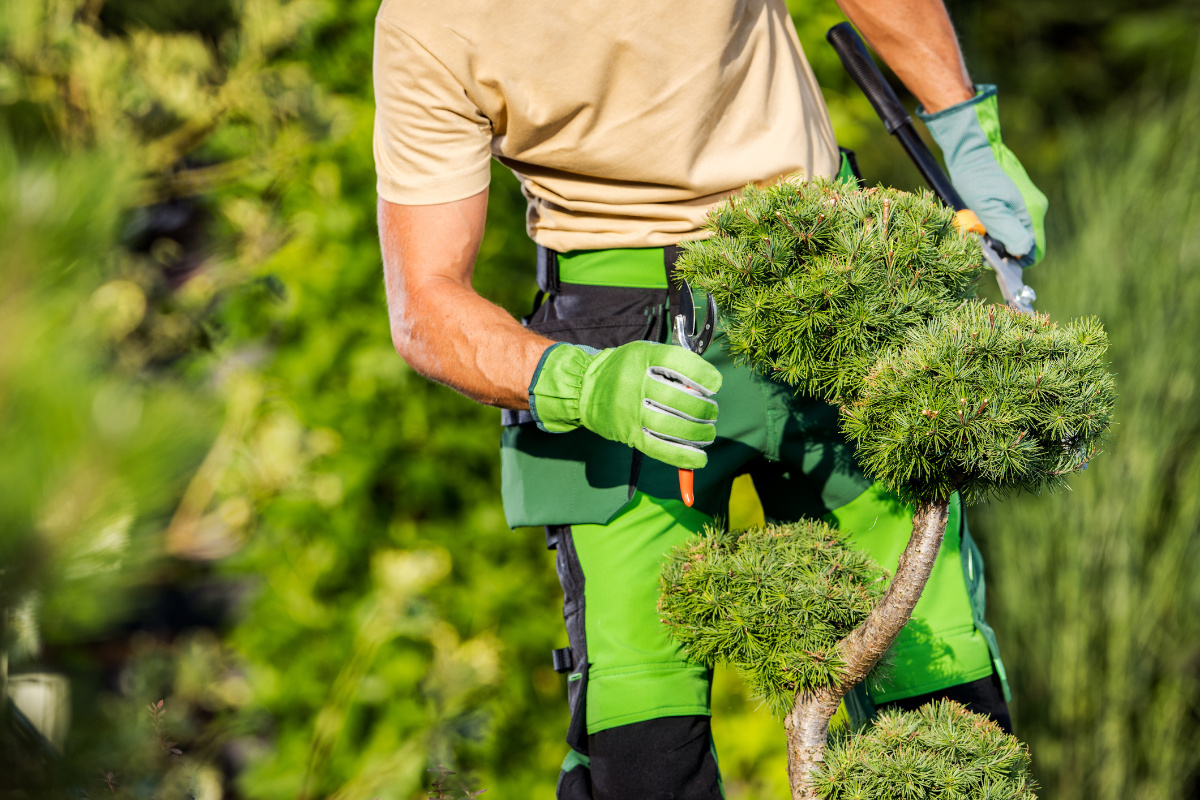
Every pet owner who’s ever watched a dog skid across wet turf, chew a prized shrub to nubs, or dig a crater by the fence knows the yard has to serve two masters. It must hold up to claws, paws, and curiosity, yet still look inviting and function well for people. A pet-friendly landscape is not just about avoiding toxic plants. It is a system of surfaces, planting choices, drainage, boundaries, and maintenance that anticipates the way animals move, rest, and play. When it’s done right, you spend less time repairing damage and more time enjoying the space with your companions.
I’ve worked on yards where Great Danes turned lawn into a dirt oval within a month, where terriers tunneled under a gate every weekend, and where an elderly Labrador needed shaded traction for arthritic hips. Those projects taught me that a durable, safe yard starts with a few core design decisions, then gets refined by small, thoughtful details. The right landscaping service can help you make those calls, but the principles are consistent whether you DIY or hire a landscaping company for ongoing landscape maintenance services.
Start with how your pets use the yard
Before you pick a grass seed or a fence style, watch your pets for a week. Look for the shortcuts they take and the spots where they loiter. Most dogs run patrol routes along fence lines, cut diagonally between points of interest, and settle in a few predictable rest zones. Cats prize vertical perches, quiet corners, and dry soil warmed by the sun. If you align the layout with these habits, the landscape will wear evenly and look tidy for a longer time.
I sketch the traffic lines first, then treat them as fixed features rather than fighting them with fragile plantings. A 3 to 5 foot wide corridor of tougher groundcover or compacted fines along the fence spares your lawn and gives dogs a dedicated track. Rest zones should be shaded and forgiving underfoot, with a durable surface that doesn’t hold odors. If you block a natural pathway, dogs will make a new one overnight. Build to the path and you convert chaos into intention.
Surfaces that hold up and feel good under paws
Your choice of surface affects durability, cleanliness, and joint health. There is no one-size solution, and often the best yard uses a mix. Here is what experience has shown about the common options.
Natural grass satisfies owners who want a traditional lawn, but it struggles under repeated sprints and urine spots. Cool-season grasses like tall fescue tolerate moderate traffic better than Kentucky bluegrass. Warm-season zoysia handles wear once established, especially in hot zones, but it is slow to green up in spring. If you commit to lawn care with aeration twice a year, overseeding once a year, and irrigation that supports deep roots, you can maintain a decent sward for one medium dog. Two or more large, active dogs tend to win that battle. Where dogs repeatedly turn or hit corners, I replace turf with a more durable surface and keep grass in low-traffic pockets.
Artificial turf solves the wear issue but introduces heat, hygiene, and installation concerns. Quality ranges wildly. I specify antimicrobial infill, perforated backing, and a sub-base that promotes fast drainage, usually 3 to 4 inches of compacted open-graded aggregate over stable soil. If urine cannot percolate quickly, smells linger. Hose-downs are not enough; you need periodic enzyme cleaners and a routine rinse, especially in hot months. Shade reduces heat buildup, and a lighter fiber color helps. For older dogs, choose a turf with a dense, shorter pile to reduce toe snagging.
Gravel is inexpensive and drains well, but paw comfort depends on size and shape. Pea gravel rolls and can trap odors if it is installed too deep. I prefer angular fines, like 3/8 inch crushed granite or decomposed granite (DG) stabilized with a natural binder. The surface compacts into a firm, paw-friendly mat that still drains. A 2 to 3 percent slope away from structures helps move water, and a buried edge restraint keeps the material in place. Avoid sharp stone like limestone chips for daily dog runs.
Mulch feels soft and cool, yet most bark mulches migrate to paths and can harbor fleas in warm climates. Shredded hardwood lasts longer than pine nuggets and stays put better, but it can mold in humid regions. Cedar can deter some insects, though the effect is mild. For chew-prone dogs, cocoa bean mulch is a hard no due to toxicity. Use mulch in planting beds, not in active play zones, and refresh thin layers annually.
Pavers and concrete provide stable, clean surfaces that transition well to interior floors. Broom-finished concrete or textured pavers give traction. Large, smooth slabs cause slips when wet and heat up quickly. If you pour concrete, break up surfaces with planted joints or decomposed granite bands so water can infiltrate. For pavers, keep joint sand flush to limit nail catches. Where dogs launch and land, a rubberized mat or turf inset reduces impact stress.
For most yards, a blended approach works best: turf or durable groundcover for visual softness, DG or pavers for the running lanes and human paths, and a shaded bed of mulch for lounging. A good landscape design services team should map these surfaces https://devinbveu336.image-perth.org/essential-landscape-maintenance-services-you-should-schedule to your pet’s behavior, not just aesthetics.
Planting for curiosity, shade, and resilience
Safe plant choices start with avoiding known toxic species. Common problems include sago palm, oleander, foxglove, autumn crocus, azalea, yew, and certain bulbs like daffodils. Check veterinary resources from reputable institutions for your region. Beyond toxicity, consider thorniness, sap irritation, and seed heads that cling to fur or irritate skin.
I lean on shrubs and perennials that tolerate some roughhousing and recover after a break. In temperate zones, tough choices include lilac, spirea, hydrangea paniculata forms, abelia, and many viburnums. In warm climates, pittosporum, Indian hawthorn, dwarf bottlebrush, and certain leucophyllum species hold up. Ornamental grasses, like switchgrass and little bluestem, tolerate trampling on the edges and provide movement that distracts playful pups. For low borders, boxwood alternatives like inkberry holly in acid soils or dwarf yaupon holly in the South keep structure without toxicity.
Place shrubs in clusters rather than single soldiers. Massed plantings create a thicker wall that discourages darting and distributes damage. Set plants 12 to 18 inches back from paths or fences so wagging tails do not burn leaves. I sometimes run a narrow band of river stones or DG at the base of a hedge to absorb paw traffic, then start mulch beyond the band.
Shade does more than keep pets cool. It reduces turf stress, controls odor from urine by moderating microbial activity, and encourages animals to rest where you want them. Use a small tree or a pergola with open rafters to cast patterned shade without darkening the house. Canopy trees that shed small debris make cleaner lounging zones than messy fruiting varieties. In smaller yards, a well-placed shade sail at 8 to 10 feet high avoids head bonks and channels breezes.
For groundcovers where grass fails, look at creeping thyme in sunny, dry zones, clover blends that handle dog traffic better than pure turf, or hardy stepables like kurapia in warm climates. All of these need time to establish before they can take a beating. Temporary fencing during the first six to eight weeks makes the difference between success and a second round of spending.
Water, drainage, and odor management
Pets magnify the consequences of poor drainage. A dog run that holds water becomes a mud factory, then a smell trap. Start with grading: maintain a consistent slope of 1 to 2 percent away from the house and toward a drain field or dry well. In tight city lots, I often install a linear trench drain along the patio’s downslope edge and connect it to a dry well filled with 3/4 inch clean stone. For a dog area, a base of open-graded aggregate topped with DG lets urine and rinse water pass through instead of pooling on the surface.
Irrigation zones should match surface types. Sprinklers on turf, drip on beds, and nothing on DG paths keeps water where you need it. Avoid overspray on runs made from stone or artificial turf to limit algae and odor. If you use artificial turf, a dedicated hose bib nearby makes cleanup more likely. Weekly rinses in hot weather, biweekly in cooler months, keep salts from building up.
To reduce urine spotting on natural grass, deep, infrequent watering helps dilute salts in the top layer of soil. Training your dog to use a specific pea-gravel or DG potty zone pays off fast. I set this zone near a door for convenience, with a slight rise at the edges and a subsurface drain to keep it dry. A post or marked object often helps dogs use the area consistently. Enzyme-based cleaners, used monthly or after heavy use, reduce residual odor.
Fences, gates, and sightlines
The best fence for a pet yard is the one that keeps your animal in and temptations out, while reducing triggers. Dogs that lunge at passersby do better with a privacy fence or a hedge that blocks sightlines. Social, calm dogs may be fine with open metal pickets. Chewers do better with steel or aluminum than wood. Jumpers force you to think about height and leverage points. If your dog can spring off a planter to clear a 5 foot fence, rework the landing zones or add a lean-in topper.
At the base, digging is the usual escape method. Bury the bottom of the fence 8 to 12 inches, or run a 12 inch horizontal apron of hardware cloth into the yard and cover it with DG or turf. At gates, use drop rods or self-closing hinges and latches that cannot be nudged open. I once installed a double-gate “airlock” for a client whose hound bolted any time the delivery driver appeared. Two small gates in series slowed the chaos and cut escapes to zero.
Sightlines are not just for security. Dogs that see less movement bark less. Strategic planting or a slatted screen along the lower 2 to 3 feet of a fence blunts the visual noise of sidewalk traffic without making the yard feel closed in.
Cooling, heating, and seasonal adjustments
Heat stress hits pets faster than it hits people. In hot climates, locate the main play area where afternoon shade arrives early. Light-colored hardscape stays cooler. A recirculating splash pad built with textured pavers and a UV-treated reservoir gives dogs a safe cool-down, but it must drain completely and run on a timer to avoid algae. A simpler option is a hose-connected mist line strung along the pergola edge, run for short intervals.
In cold zones, ice is the hazard. For winter traction, broom-finished concrete helps, but in my experience rubbery mats at key transitions are the game changer for older dogs. Avoid rock salt near lawns and beds; it burns plants and irritates paws. Calcium magnesium acetate or sand improves grip without the damage. If you rely on artificial turf, brush snow off with a soft broom rather than scraping to protect the fibers.
Storage, wash stations, and the human factor
A pet-friendly yard that is hard to maintain will not stay friendly for long. Storage within 10 to 15 steps of the back door for poop bags, a scoop, a bucket with enzyme solution, and a stiff broom keeps routines simple. A simple hose bib with a handheld sprayer near the potty zone means daily rinses happen. For heavy mud seasons, a wash area makes sense. I have built raised dog wash stations with a single mixing valve, a tether point, and a sloped, textured floor that drains to a gravel dry well. Even a ground-level pad with a drain and hot-cold hose bib changes behavior when it is accessible.
Paths for humans should stay clean even after playtime. A 3 to 4 foot wide primary path from the door to the seating area, with secondary paths to the potty zone and the gate, keeps traffic off grass in wet periods. Lighting that washes the path rather than glaring spots keeps nighttime trips calm for animals and safe for owners.
Training meets design
Design can reduce problems, but training closes the loop. A potty zone only works if you reinforce its use for a few weeks. A running lane becomes an asset if you direct play along it with fetch or chase. If a dog fixates on digging under a single shrub, concede a digging pit far from your irrigation laterals. A 3 by 5 foot area of loose soil or sand, seeded with buried toys, attracts the behavior. Protect the rest of the beds with a layer of coarse mulch and discreet stone edging. I have seen retrievers stop wrecking beds once they had a sanctioned excavation spot.
Work with your veterinarian if your dog has allergies. Sometimes a change from a broadleaf-heavy lawn to a fescue blend reduces paw licking. If your animal reacts to pollen, the solution might be as simple as hosing paws at the wash station during peak bloom weeks.
Maintenance routines that actually work
When clients ask for set-and-forget gardens, I remind them that pets are a constant. You will do better with a simple schedule and surfaces that forgive lapses. A reliable landscaping maintenance services provider can help, but even a modest home routine prevents most issues.
- Weekly: pick up waste, quick rinse of potty zone, brush artificial turf if used, check gates and latches, rake out any mulch displaced into paths. Monthly: enzyme treat the potty area and artificial turf, inspect irrigation heads for overspray onto runs, top up DG in high-wear zones, prune back plant encroachments along tracks. Seasonally: aerate and overseed turf in spring or fall depending on grass type, adjust irrigation schedules, refresh mulch to a 2 to 3 inch depth, clean and test drains before rainy seasons, inspect fence bases for dig attempts.
This is one of the two lists in the article. Most other reminders can live as notes on your phone or as part of a professional landscape maintenance services contract.
Regional notes and real-world examples
Climate and soil shape your choices as much as pet behavior. In the Pacific Northwest, constant moisture demands extra attention to drainage and algae on hardscape. I use more DG and fewer shaded turf areas there, along with evergreen shrubs that tolerate damp feet like certain viburnums and camellias. In the arid Southwest, artificial turf and DG dominate, but you need overhead shade and regular rinses to manage heat and salts. I specify light-colored, breathable turf and raise the pile slightly to improve airflow.
In the Southeast, insect pressure favors open plantings with good air circulation and avoiding heavy mulch in play areas. St. Augustine and zoysia fare better for lawn in warm-season zones with dogs, but you still need to direct heavy traffic away from corners. In cold interiors, freeze-thaw cycles can heave pavers and loosen fence posts if the base is not properly compacted. I plan deeper bases and use polymeric joints to reduce washout.
A few case snapshots:
A narrow city yard with two energetic herding dogs: We replaced the failed lawn with a loop of compacted DG around the perimeter, kept a central island of drought-tolerant groundcover for visual relief, and added 42 inches of slatted cedar fencing with a 12 inch buried apron. The dogs run laps without trashing the planting. Weekly rakes keep the DG even. Barking dropped after we added a 30 inch band of solid slats along the bottom of the fence to block sidewalk views.
A family yard with a toddler and a senior Lab: The priority was stability underfoot and shade. We poured a modest broom-finished patio, added a pergola, and set a rubber tile landing pad where the dog jumps off the threshold. The lawn is a tall fescue blend in dappled light. A small pea-gravel potty corner with a subsurface drain cut down odor. The owners report fewer slips and no bare patches after the first summer.
A suburban property with a dig-happy terrier: We conceded a digging pit along the back fence, edged in stone and filled with sand and soil. The rest of the beds got a coarse shredded mulch and a hidden wire roll at the base of the fence. The dog uses the pit 80 percent of the time, and the irrigation lines survived intact. The owners hide a toy twice a week to keep interest high.
Balancing beauty and durability without compromise
It is possible to have an attractive, livable garden that withstands daily sprints and enthusiastic sniffing. The trick is to invest where function matters most and to accept that some areas are meant for dogs and others for people. A thoughtful landscape design service will layer surfaces, plants, and structures so that the yard reads as a cohesive garden, not a patchwork of dog-proofing. Steer your budget toward sub-base preparation, drainage, and shade first. These invisible elements determine how clean the yard smells and how well it endures.
Once the bones are right, add the human touches: a bench in morning sun, herbs near the kitchen door, a low bed of seasonal color that is out of the main traffic lines. Raised planters protect edibles and give you fresh herbs without inviting paws into the bed. A small water feature with a shallow basin doubles as a dog drink station if you keep it clean and fit it with a slow refill valve.
When to call in a professional
DIY can take you far, but some problems reward an experienced crew. If your lawn stays soggy, you need grading and drains. If odors persist on artificial turf, the sub-base probably needs surgery. If your fence has multiple failure points, a redesign will be cheaper than piecemeal fixes. A reputable landscaping company that offers comprehensive landscaping service, from landscape design services to installation and ongoing lawn care, can coordinate these changes so they work together.
When you interview providers, ask about dog-specific projects. Pros who have built dog runs and pet yards will talk about base depth, slope, and cleaning routines, not just plant lists. They should suggest test patches for surfaces you are uncertain about. A small DG lane or a sample turf square installed for a month tells you more than a showroom ever will.
A simple roadmap for getting started
- Observe your pet’s habits for a week, then map the traffic lines and favorite spots. Decide which surface goes where: grass or groundcover for looks, DG or pavers for lanes, and a dedicated potty zone that drains. Choose plants for resilience and safety, and mass them for durability. Keep them off the main track. Fix drainage and shade early. Add fences or screens that match your dog’s behavior, not just your taste. Set a maintenance routine you can actually follow, or hire landscape maintenance services to keep it on schedule.
This is the second and final list. Everything else lives comfortably in prose.
Pet-friendly garden landscaping is a practice in empathy as much as craft. When you read the yard through your dog’s or cat’s eyes, the right choices become obvious. Paths fall where they want to run. Shade lands where they need to rest. Surfaces clean easily because you planned for mess. With that mindset, your yard becomes a place where animals and people relax together, and where durability and beauty support, rather than fight, each other.
Landscape Improvements Inc
Address: 1880 N Orange Blossom Trl, Orlando, FL 32804
Phone: (407) 426-9798
Website: https://landscapeimprove.com/